
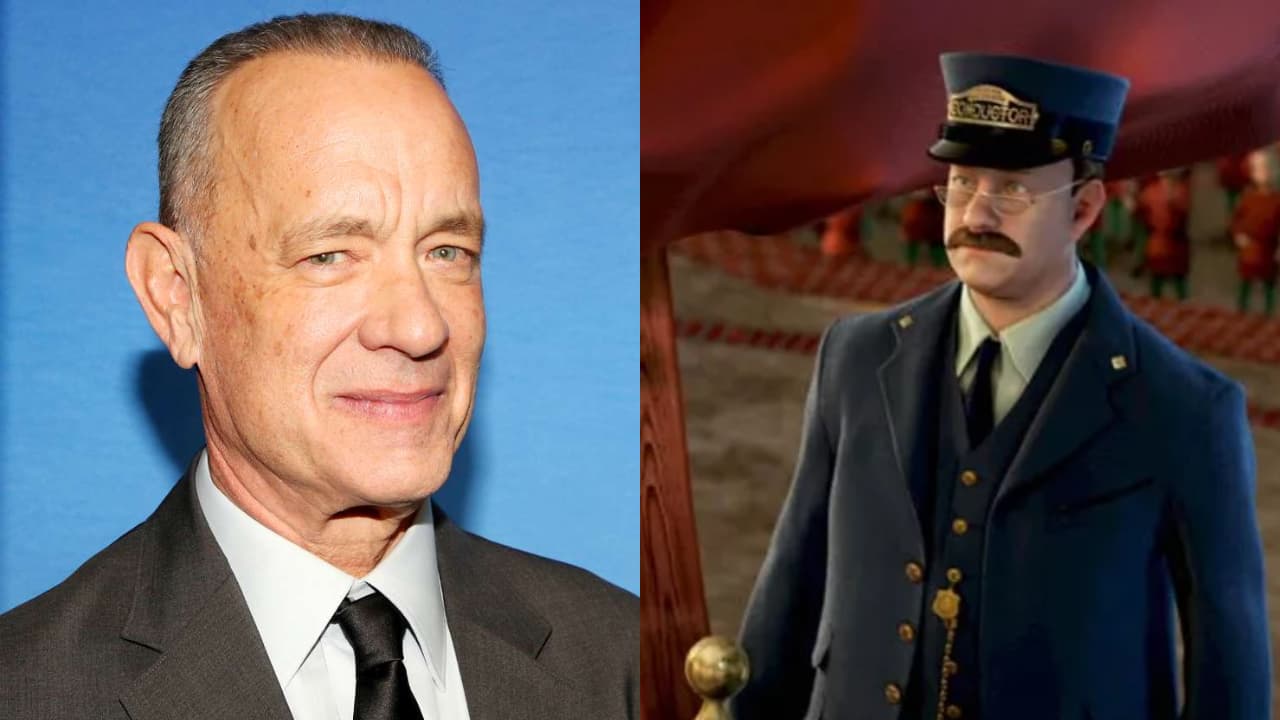
Since its release in 2004, 'The Polar Express' has become a holiday favourite for both kids and adults. The animated film is based on Chris Van Allsburg's beloved 1985 picture book, which quickly became a bestseller thanks to its magical story and distinctive artwork.
For years, Van Allsburg doubted the story could ever work as a movie. The tale follows a young boy whose journey to the North Pole restores his belief in Santa Claus, but the author felt the book lacked the usual animated tropes like talking toys or exaggerated comedy. He also believed animation at the time couldn't convincingly portray realistic human characters.
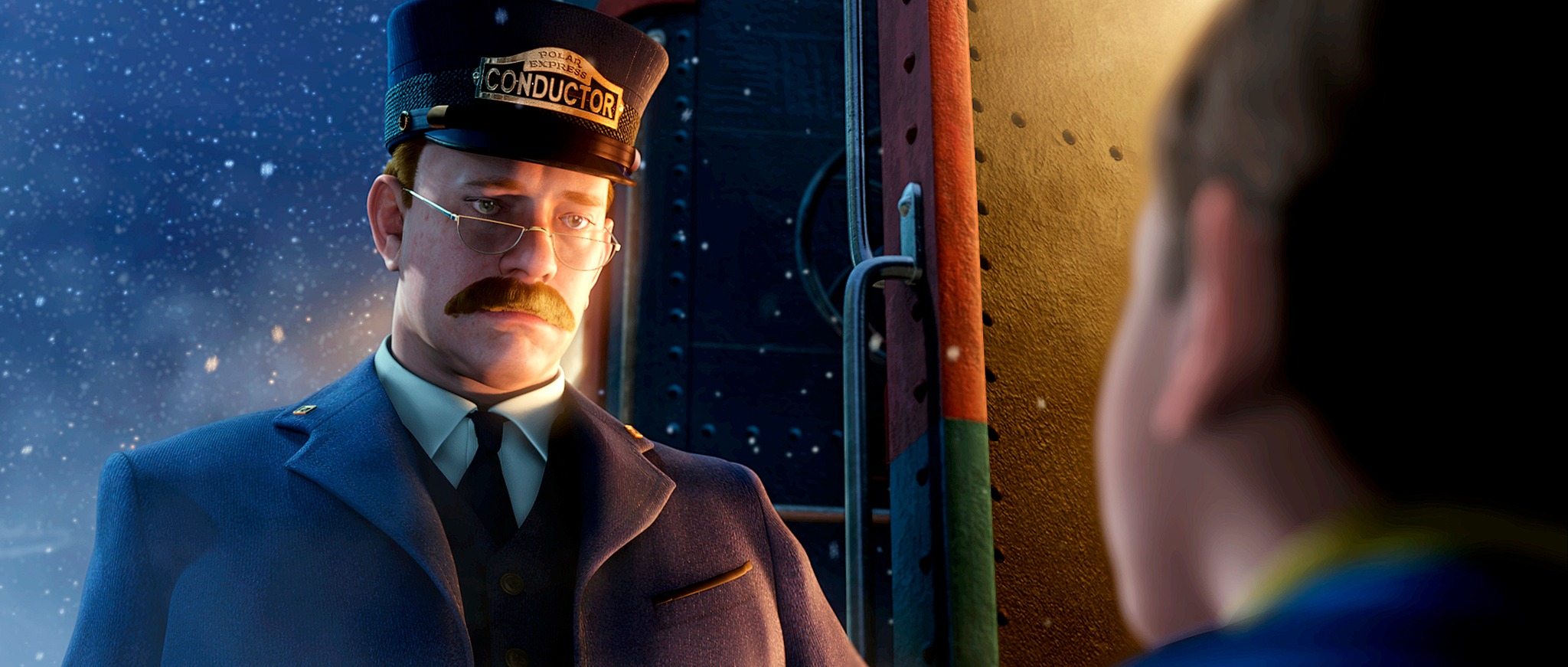
Image Courtesy: IMDb
Tom Hanks's Interest in 'The Polar Express' Adaptation
In 2001, things changed when Tom Hanks showed interest in adapting the book. Van Allsburg realised Hanks wanted to tell a more thoughtful, visually faithful story rather than a loud, pop-culture-driven kids' film.
Staying true to the book's unique art style was important, and the finished movie impressed the author. Instead of simply copying the illustrations, the film expanded on them, making the world of 'The Polar Express' feel alive.
To achieve this look, Tom Hanks teamed up with director Robert Zemeckis and used performance capture technology, which was still relatively new at the time. Unlike traditional motion capture, this method recorded detailed facial expressions as well as body movements. Hanks wore up to 150 reflectors on his body and face, allowing animators to map his performance directly onto the characters.
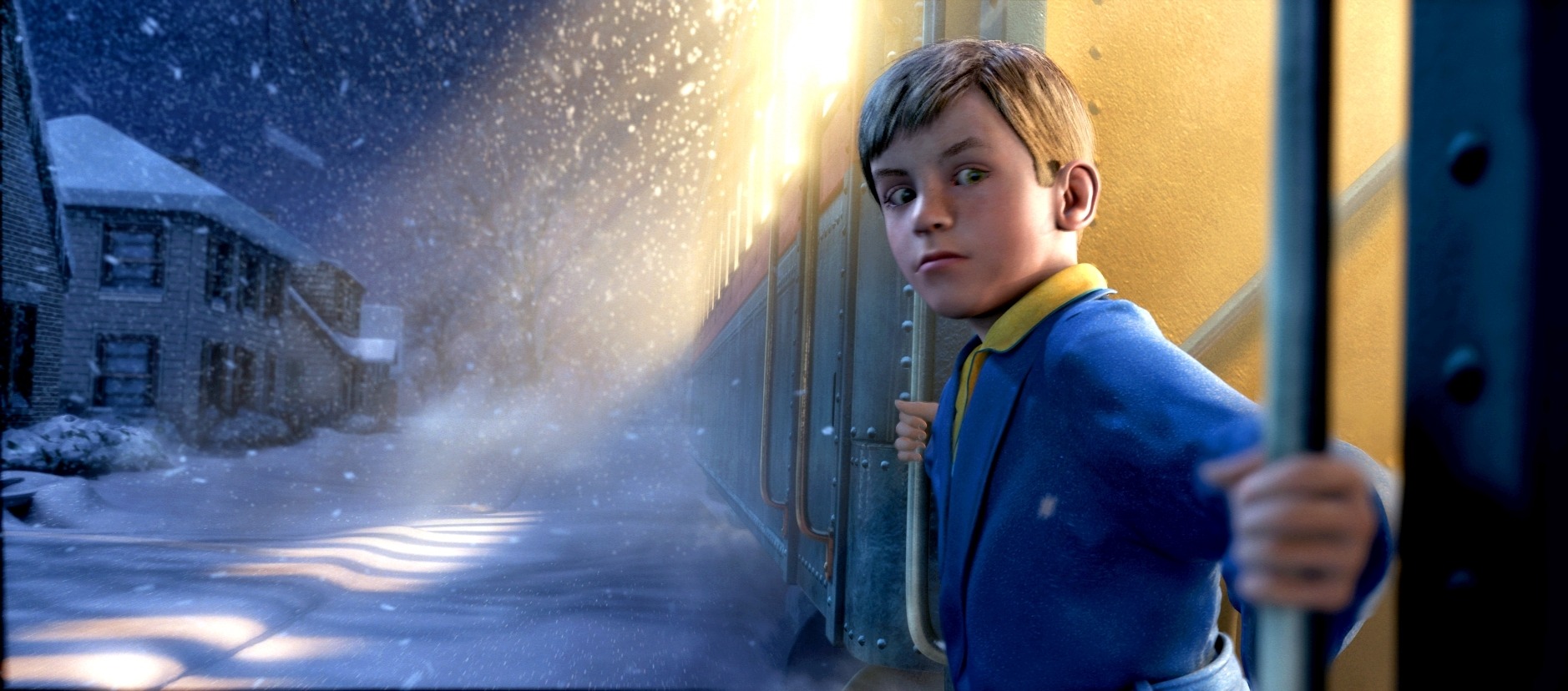
Image Courtesy: IMDb
Zemeckis aimed for a visual style that felt more realistic than traditional animation but not fully live action. A live-action version would have been impractical and far too expensive, so the filmmakers chose a middle ground that felt both human and magical.
Tom Hanks Portrayed Six Characters in 'The Polar Express'
Hanks didn't just play one role. He physically performed six characters in total. These included the train conductor, the mysterious hobo who lives atop the train, Santa Claus, and a Scrooge-style puppet seen in a key moment. He also provided the performance capture for the Hero Boy, the film's main character. While child actor Daryl Sabara voiced the boy, Hanks' movements and expressions were digitally scaled down to create the character. In addition, Hanks played the Hero Boy’s father and served as the film's narrator.
Originally, Zemeckis even suggested that Tom Hanks play every role in the movie, but that idea was eventually scaled back. With so many characters to manage, other actors were brought in to help. Hanks said it was easier to switch between roles because each character was very different, even down to the shoes he wore to help him stay grounded in each performance.
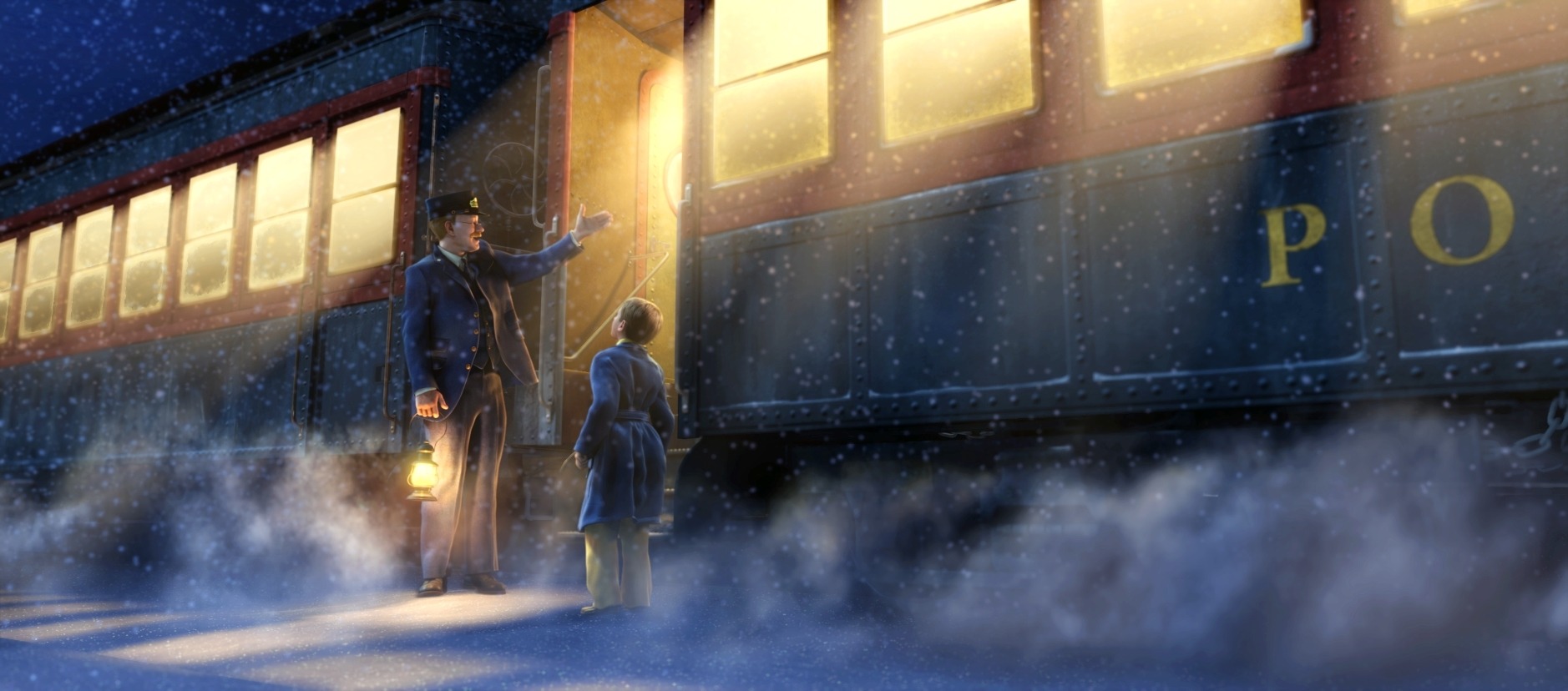
Image Courtesy: IMDb
Beyond the film itself, Hanks was excited by what performance capture could mean for the future of acting. He saw it as a way to give actors more freedom to play a wider range of characters, even though the technology was still very expensive at the time.
'The Polar Express' went on to earn more than $300 million worldwide and has continued to find new audiences through cable airings and streaming services. The technology used in the film also paved the way for future projects, including Zemeckis' later films and James Cameron's 'Avatar' series. Tom Hanks and Zemeckis would eventually reunite again, using advanced digital techniques to de-age actors in their 2024 drama 'Here.'