
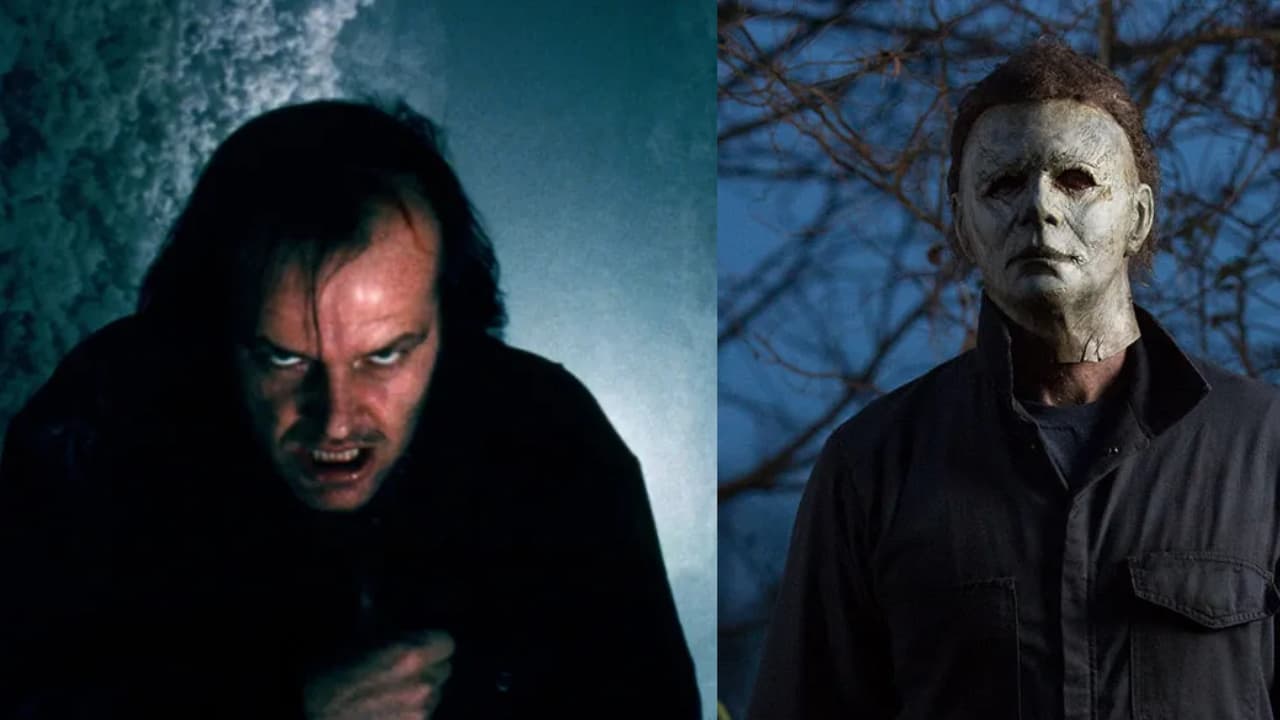
Horror films come in many forms, but two of the most popular—and often confused—subgenres are slasher and psychological horror. While both are designed to frighten audiences, the way they create fear is fundamentally different. Understanding these differences not only enhances your viewing experience but also helps you pick the type of scare you’re truly craving.
The Nature of Slasher Horror
Slasher films focus on external threats—usually a masked or hidden killer who stalks and murders a group of people, often in gruesome and creative ways. These movies are typically fast-paced, visceral, and built around suspense, jump scares, and bloody violence. The killer is often a relentless figure with little emotional depth, serving more as a symbol of unstoppable danger.
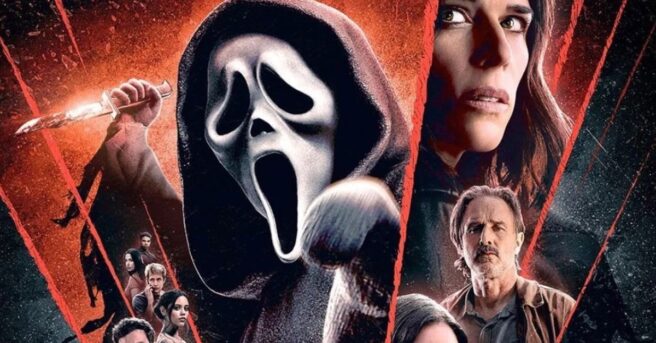
Image Courtesy: JoBlo
Examples include 'Halloween', 'Friday the 13th', and 'Scream', all of which follow a familiar pattern: a group of unsuspecting characters, a mysterious murderer, and a lone survivor (usually the “final girl”).
Slasher horror is about immediate, adrenaline-fueled fear. It thrives on shock value, suspenseful chases, and the thrill of watching characters try to escape a deadly situation.
The Mind Games of Psychological Horror
In contrast, psychological horror is more subtle and cerebral. It focuses on internal fear, diving into the minds of its characters—and its viewers. These films often blur the line between reality and delusion, creating tension through atmosphere, character development, and emotional trauma rather than gore or physical violence.
Movies like 'The Shining', 'Hereditary', and 'The Babadook' are perfect examples. Instead of a killer with a knife, the horror often comes from mental instability, grief, paranoia, or the unravelling of sanity.
Also Read: https://indigomusic.com/feature/how-fear-street-balances-teen-drama-with-brutal-slasher-gore-9630713
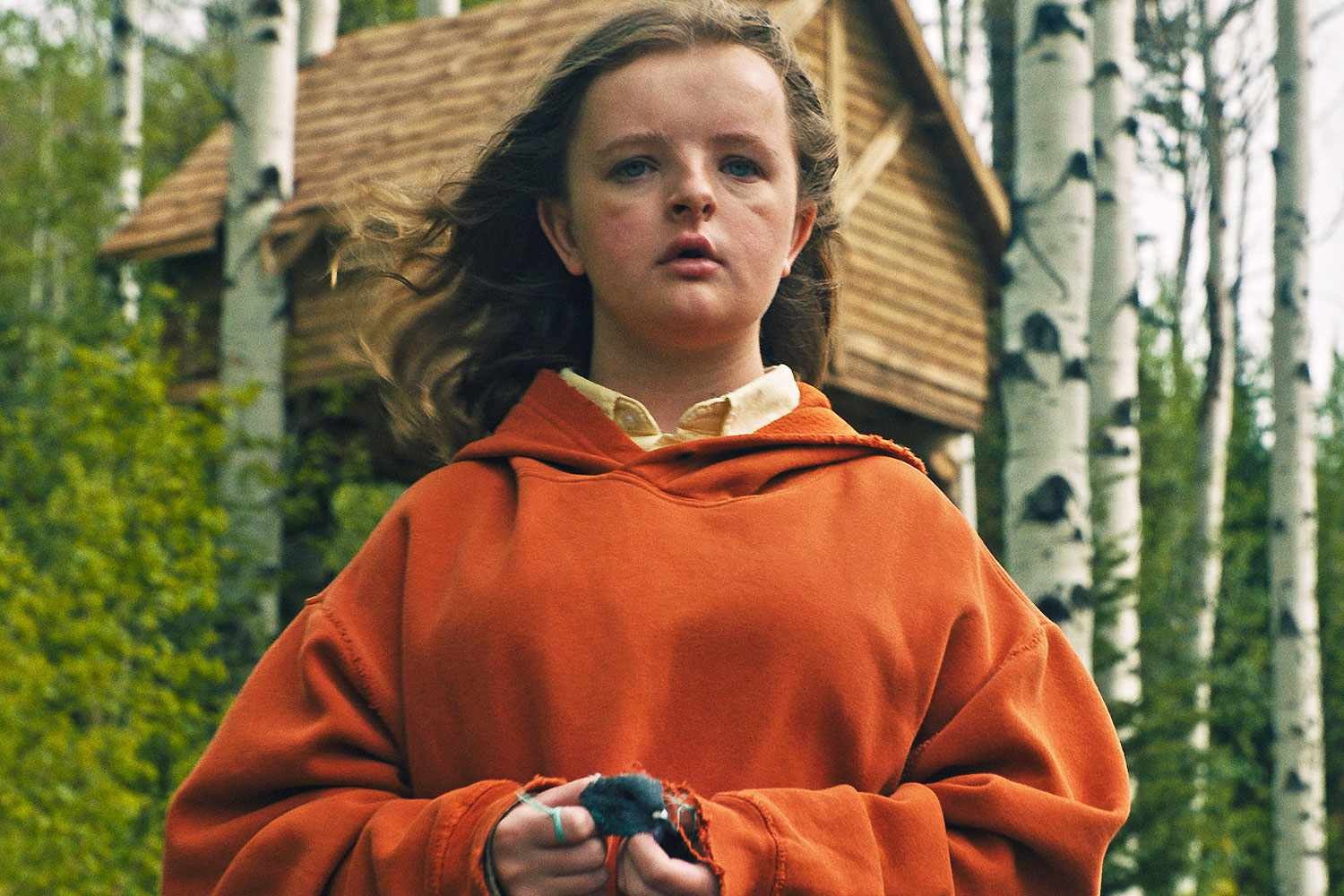
Image Courtesy: People
Psychological horror doesn’t always show the monster. Sometimes, it suggests that the monster may not even exist outside the characters' minds. This type of horror is haunting, thought-provoking, and often lingers long after the film ends.
Which One Is Scarier?
That depends on personal preference. If you enjoy fast-paced action, shocking kills, and survival-based suspense, slasher horror delivers. If you prefer slow-burning dread, complex themes, and emotional depth, psychological horror may be more your style.
Both subgenres serve a different purpose, but each is effective in its own way. Whether it’s a killer in the shadows or a mind unravelling under pressure, horror has countless ways to keep us up at night.
Also Read: https://indigomusic.com/feature/the-real-monster-in-jaws-isnt-the-shark-its-fear-9630702