
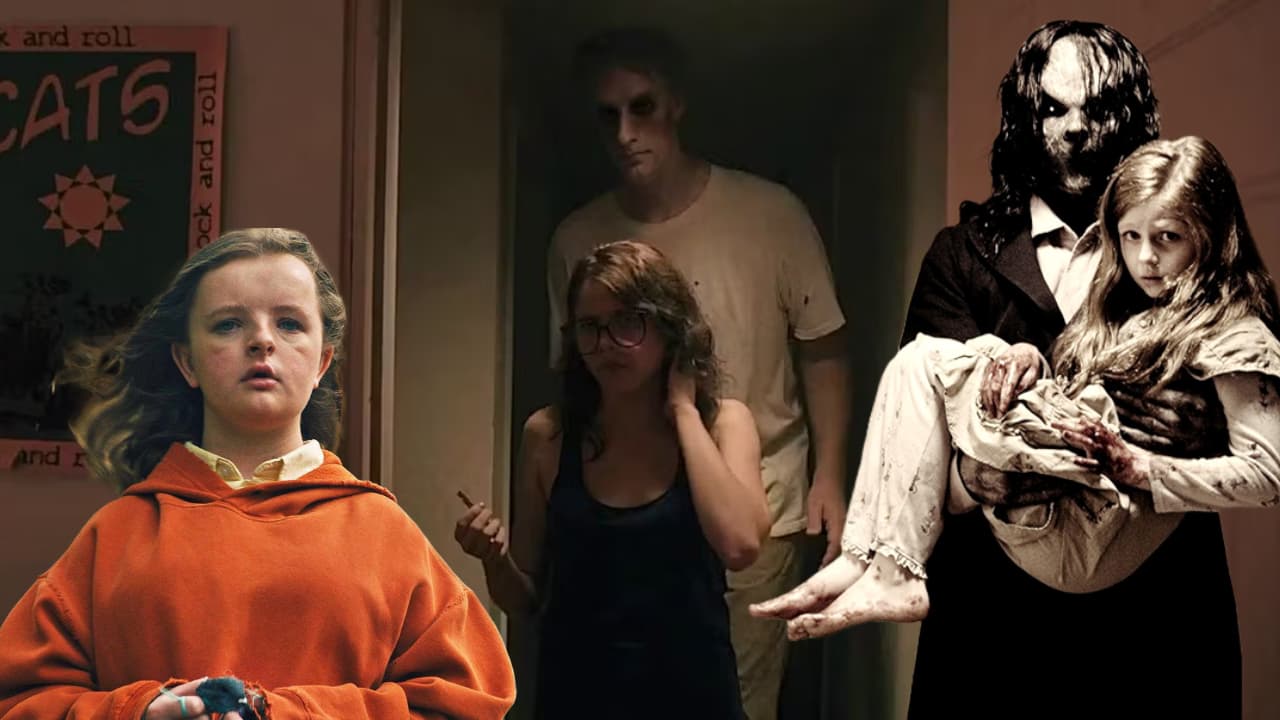
Psychological horror has been quietly taking over screens in recent years, captivating audiences with more than just jump scares or gore. Unlike traditional horror that relies on external monsters or physical threats, psychological horror delves deep into the human mind, exploring fears, anxieties, and the fragile nature of reality.
A Shift from Gore to Mind Games
Audiences are increasingly drawn to horror films that challenge their perception of reality. Movies like 'Hereditary,' 'Midsommar,' and 'Get Out' focus on tension, atmosphere, and psychological manipulation rather than excessive violence.
These films provoke fear through anticipation and uncertainty, leaving viewers questioning what is real and what is imagined. The thrill comes not from a sudden scare but from the lingering sense of dread that stays long after the credits roll.
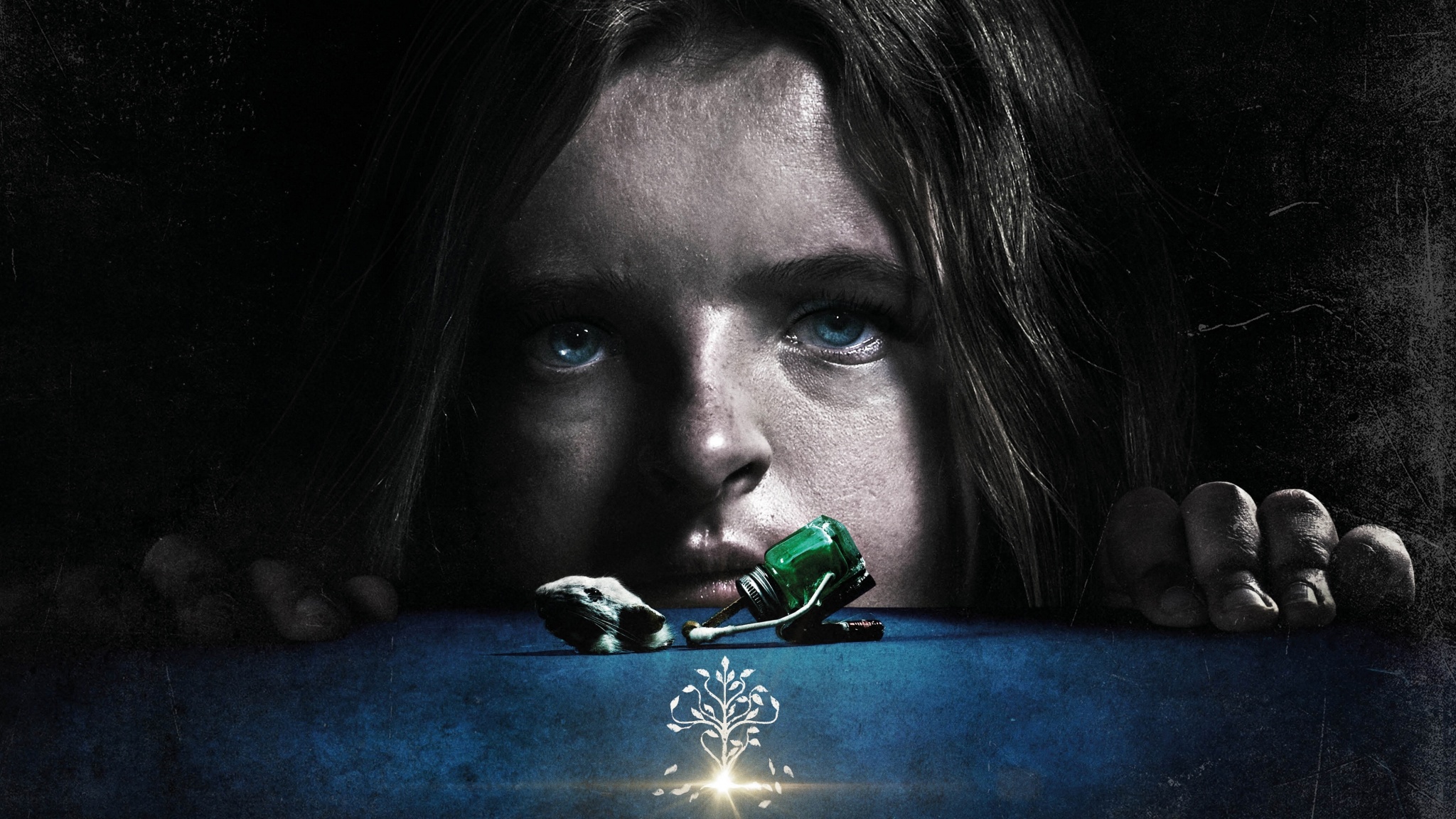
Image Courtesy: Noemi
Exploring Human Fears and Trauma
Psychological horror often taps into universal human fears: loss, betrayal, isolation, and mental instability. Filmmakers use these themes to make stories resonate on a deeply personal level.
'The Babadook,' for example, uses a supernatural narrative to explore grief and depression, making the horror both symbolic and intensely relatable. By connecting terror to real-life experiences, psychological horror engages viewers emotionally, creating a lasting impact beyond surface-level scares.
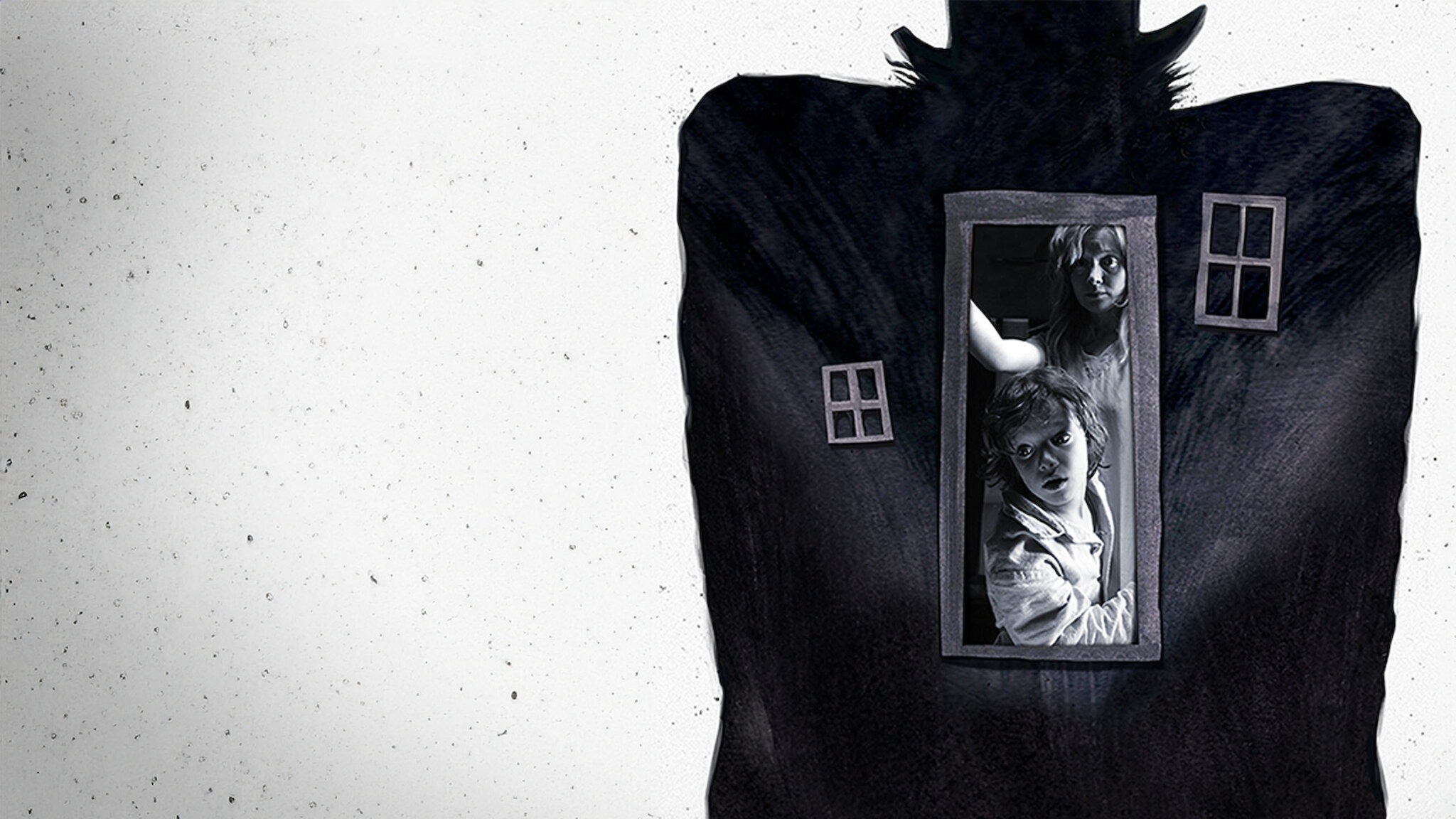
Image Courtesy: Netflix
Innovative Storytelling Techniques
Directors in this genre often employ unique narrative structures, unreliable narrators, and surreal visuals to heighten the sense of unease. Non-linear timelines, distorted perspectives, and ambiguous endings keep audiences on edge and encourage repeated viewings.
This approach transforms horror into an intellectual and emotional experience, elevating it above traditional jump-scare films.
Also Read: https://indigomusic.com/feature/slasher-vs-psychological-horror-whats-the-real-difference-9635755
The Streaming Era and Accessibility
The rise of streaming platforms has also fueled the popularity of psychological horror. Services like Netflix and Hulu provide easy access to niche films, allowing audiences to explore a wide range of psychological horror stories from around the world. This exposure has broadened the genre's appeal and allowed innovative filmmakers to experiment with complex, mind-bending narratives.
Image Courtesy: Netflix
Psychological horror's dominance in contemporary cinema reflects a growing appetite for stories that engage both the mind and the emotions. By focusing on tension, trauma, and the human psyche, these films offer a more profound and lasting sense of fear.
As audiences continue to seek immersive and thought-provoking experiences, psychological horror is poised to remain a powerful and influential force in the world of film.
Also Read: https://indigomusic.com/feature/creep-and-the-rise-of-psychological-horror-in-indie-cinema-9483412