
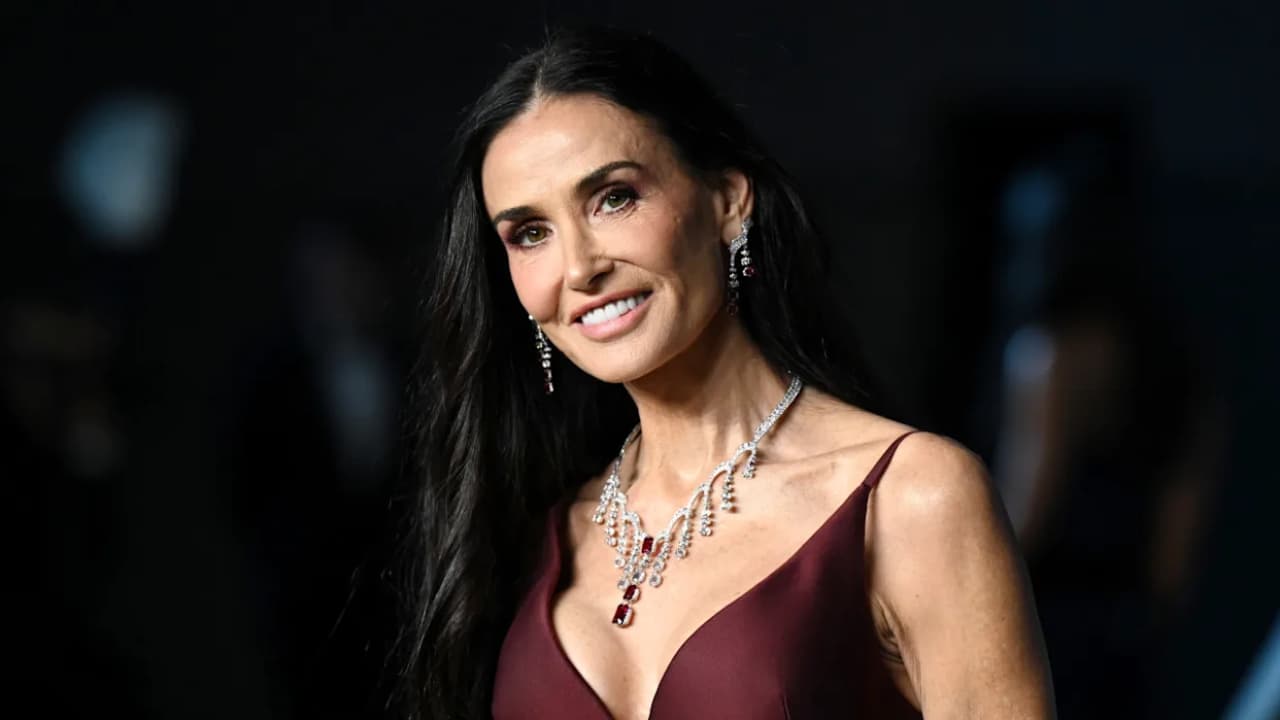
Hollywood has always been full of fascinating behind-the-scenes stories, but Demi Moore's recent revelation offers a rare, human glimpse into what it meant to be a working actress and expectant mother in the early 1990s. In an open discussion at the New Yorker Festival, the 'Ghost' star talked about how she was nearly eight months pregnant when she filmed the 1992 courtroom classic 'A Few Good Men.' What stood out most, she shared, was her co-star Tom Cruise's "embarrassed" reaction to her pregnancy, which made her consider the standards set for women in Hollywood and how much has changed since then.
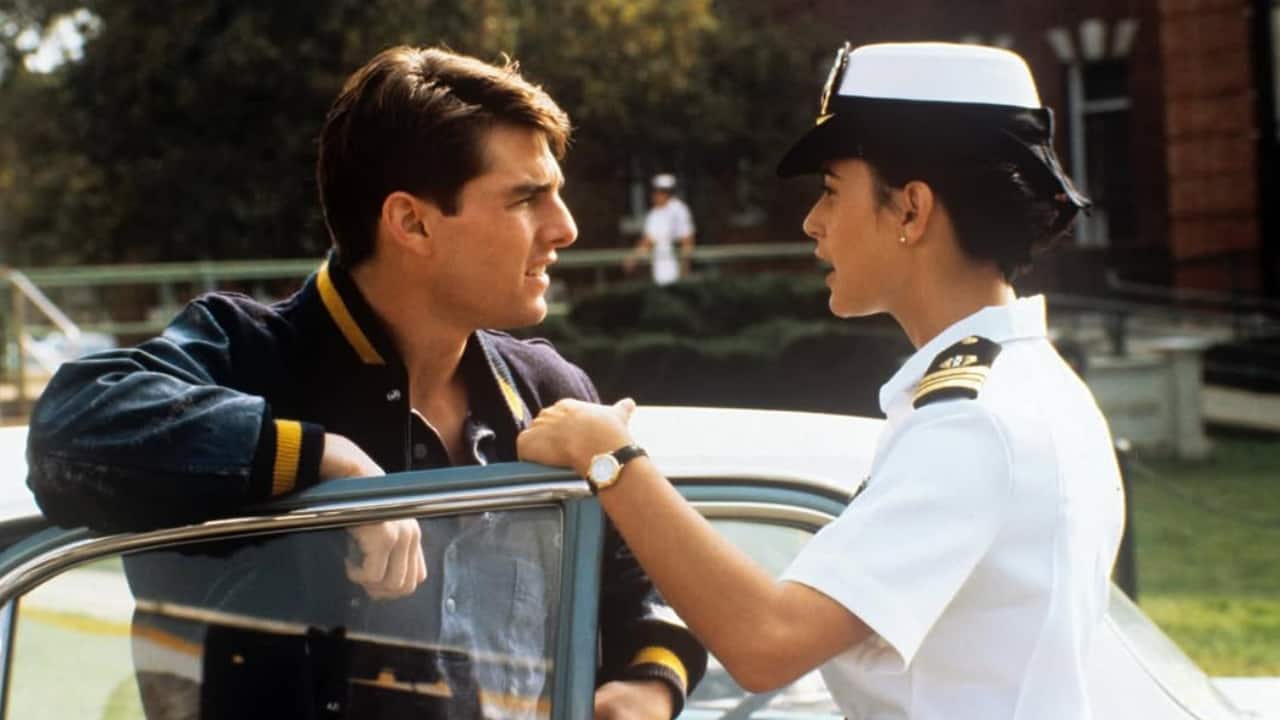
Image Courtesy: Moneycontrol
Pregnant On-set and the Film's Set-Up
Rob Reiner's film 'A Few Good Men,' which was based on Aaron Sorkin's play, starred Demi Moore. Moore portrayed the role of Lt. Commander JoAnne Galloway, who played opposite to Tom Cruise’s Lt. Daniel Kaffee, in the movie, which centers on two U.S. Marines who are accused of killing a fellow Marine. At the time of pre-production and early rehearsals, Moore was almost eight months pregnant with her second daughter, Scout Willis.
She remembered that although she was moving around and felt physically well throughout shoot preparation, she felt that things on set were "a bit awkward." "I think Tom was extremely embarrassed. In fact, I felt OK about it. However, I could see he thought it was a bit awkward," Moore recalls.
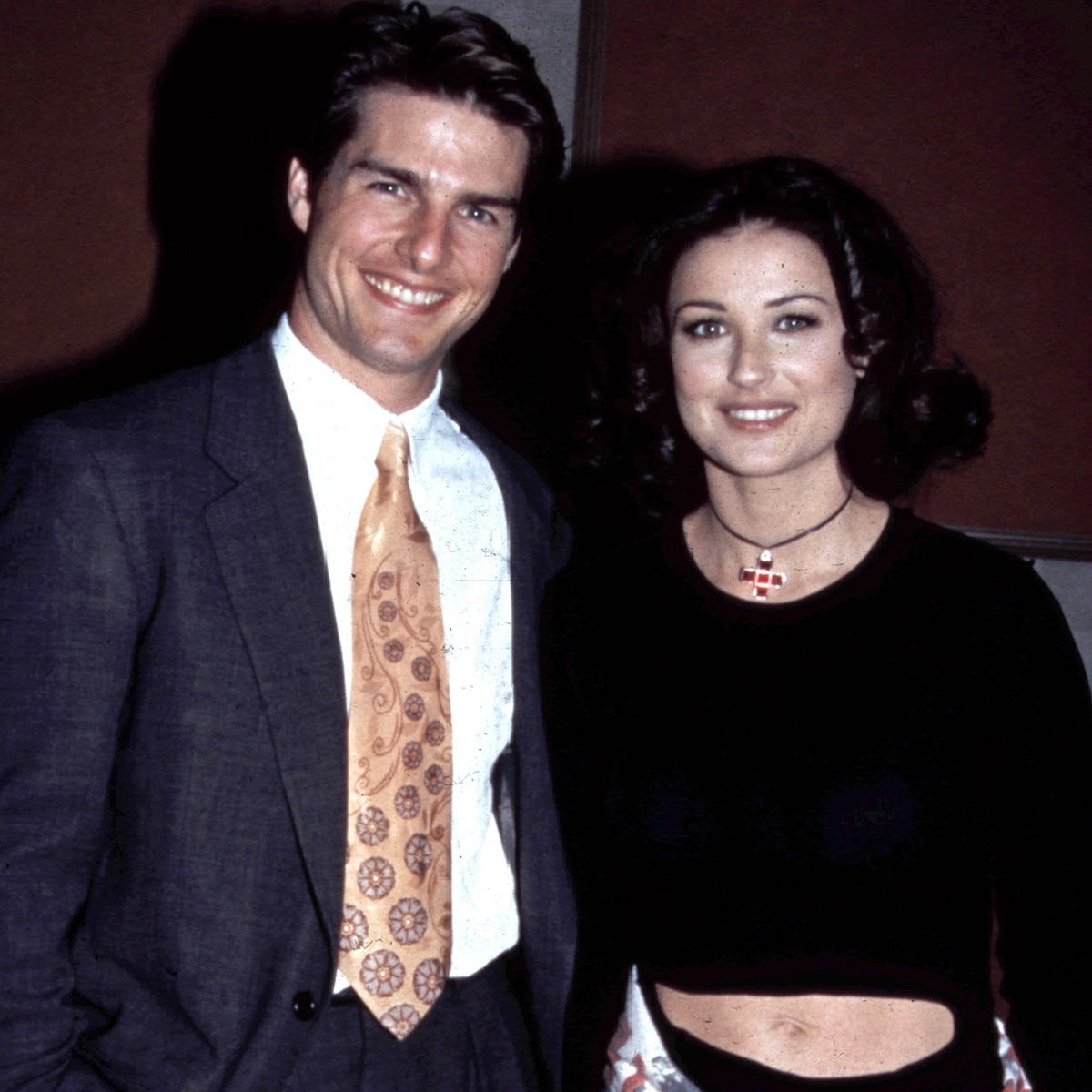
Image Courtesy: E! News
Moore's Reflections and What Led to the Comment?
Moore talked about the incident during a Q&A session at the New Yorker Festival on 25th October, and used the platform to illustrate how, in the early 1990s, actresses were sometimes asked to choose between a rigorous career and having children. She said that few of her other peers were pregnant as well while working on major films at the time, which may have contributed to Cruise's discomfort.
Moore admitted that she use to put a lot of pressure on herself: "It's one of the many things, for me that I just felt didn't make sense. And so I challenged that to say, you know, 'Why not? Why can’t you have both?' But with that, I think, came a lot of pressure I put on myself to, in a sense, prove that it was possible." She also disclosed that, despite being pregnant, she worked hard to get "in shape" for the role, and even went on a bike ride and hiked the day her water broke.
Even after so many hardships, the film went on to be a major success and has become a defining courtroom drama of its era.
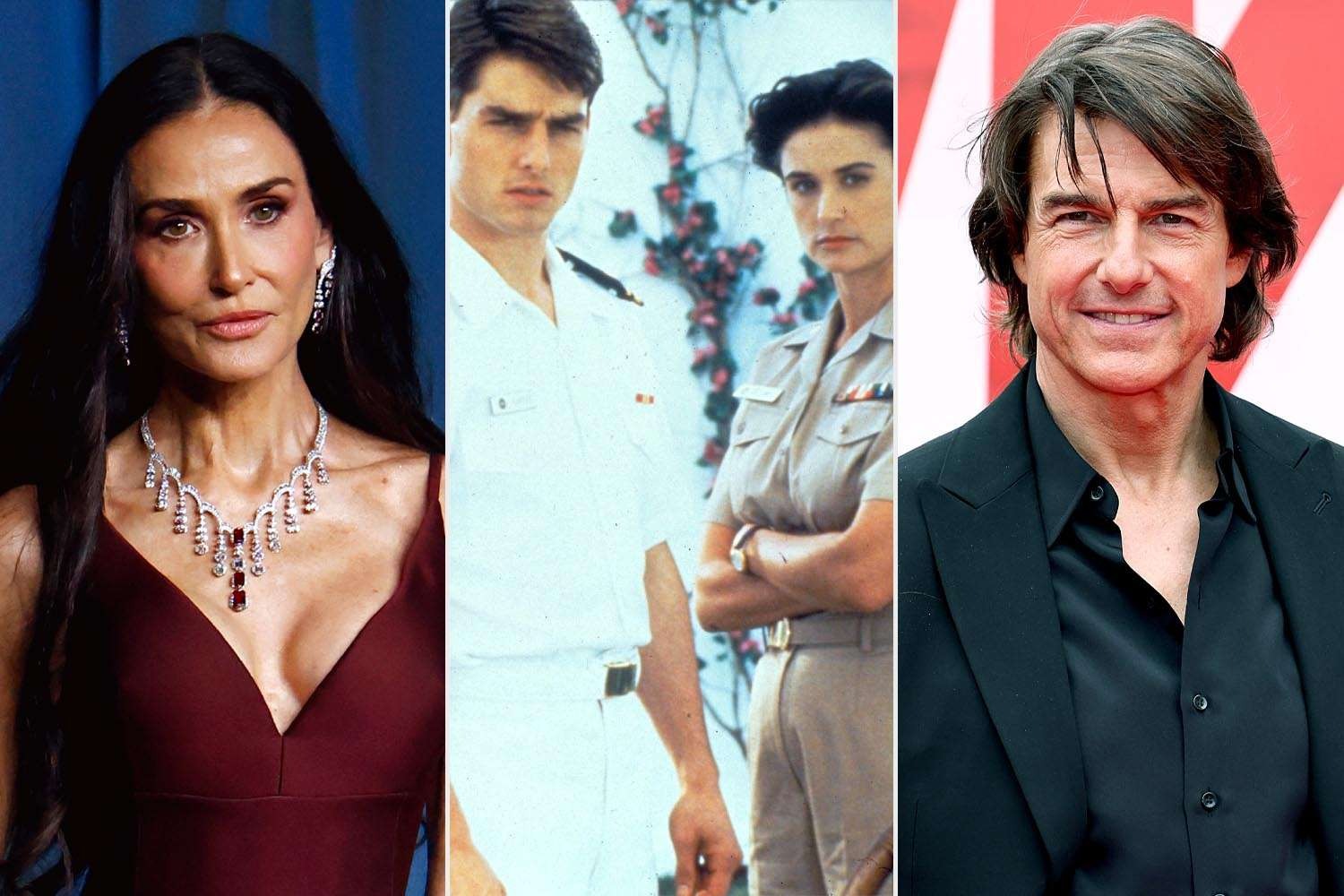
Image Courtesy: People
Where do Things Stand Now and the Wider Context
As for Moore and Cruise's current relationship, while she highlighted that moment of discomfort, but she hasn't mentioned any ongoing tensions between them; rather, it seems to be a reflection of the time rather than a rupture in their working relationship. Despite the initial tension, their collaboration is evident in the film's success. Moore's observations highlight how Hollywood's views on pregnancy and parenting on set have evolved, and motherhood on set have changed. According to her, younger actors today are more "supported" in juggling their careers while parenting.
Her frankness about the era also opens up discussions about how working mothers were viewed and the extra load they felt to prove themselves. In that sense, the "embarrassment" Cruise may have felt perhaps speaks more to the industry than to the individuals. Moore's willingness to bring it up now suggests she sees value in examining that shift, and demonstrate how behind-the-scenes experiences mirror broader cultural views.