
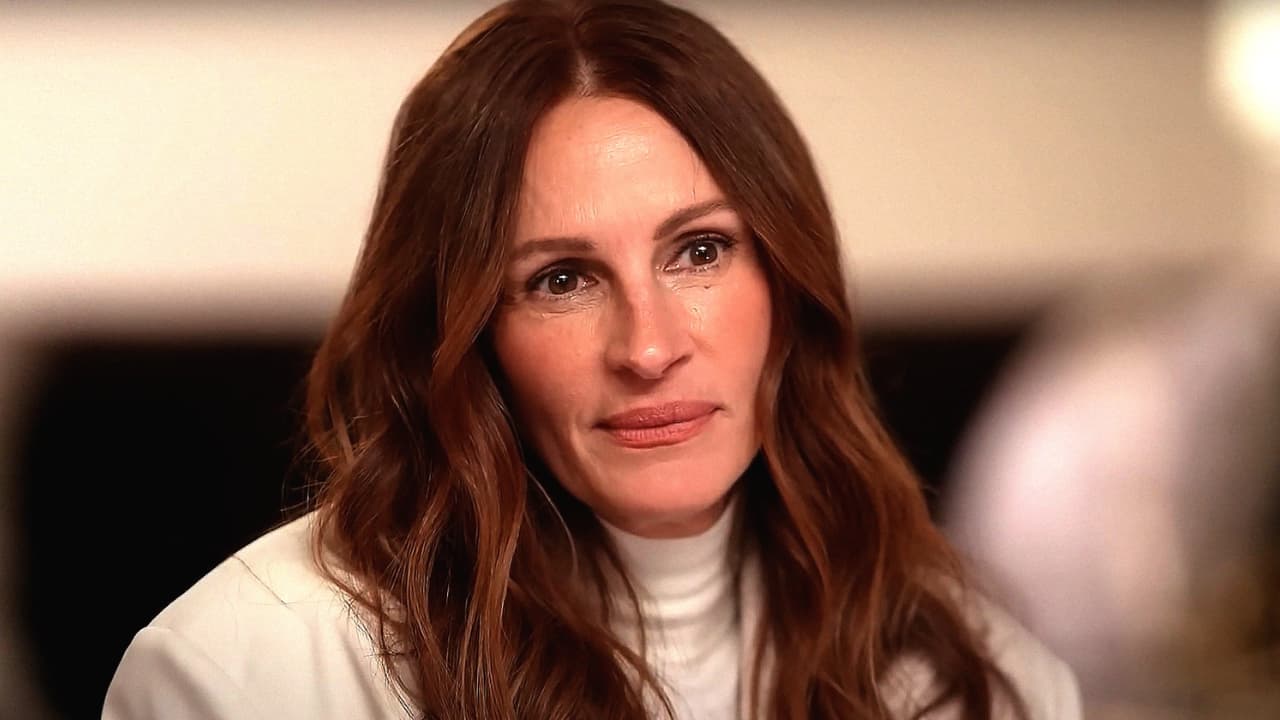
In addition to her acting career, Julia Roberts has long been a public figure because of her opinions on both personal and social problems. The Oscar-winning actress recently voiced her growing concern about the impact that mobile phones are having on today's youth. She contends that young brains may be drowning in data as a result of screens taking over daily life, and that this trend is more detrimental than beneficial.
Roberts' remarks promote thoughtful consideration of technology, mental health, and connection as she juggles parenthood, a well-known film profession, and public duty.
Overloaded Brains and the Danger of Constant Connection
Roberts expressed her concern in a recent interview that "our brains are incapable" of handling the constant stream of data from smartphones. She noted that young people's eyes, minds, and malleability suffer from constant stimulation, particularly "little, sweet, soft mushy brains" that require experience, rest, and grounding rather than being overloaded with technology.
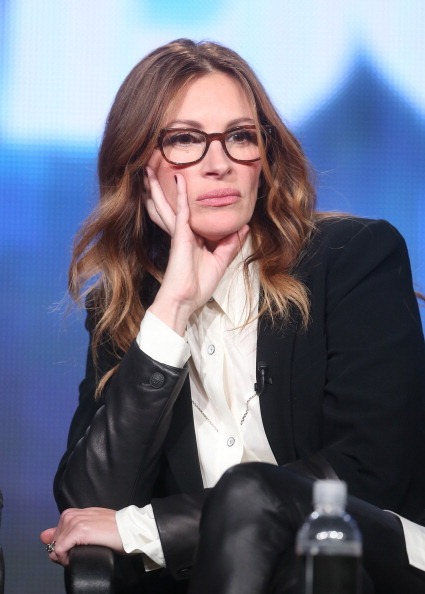
Image Courtesy: Getty
She also discussed a troubling societal trend, namely the rise in online misogyny and toxic "manosphere" language, and expressed relief that her sons have not been sucked into it. She said that some teenagers' cruelty is a sign of insecurity and hoped parents would pay attention instead of writing off young people as unruly.
Roberts countered claims that generational gaps are wider than ever—reminding people that every era believes its youth are challenging in new ways, and that she still loves spending time with younger people.
Parenting & Boundaries in the Digital Age
Roberts revealed how she and her husband, Danny Moder, have established sensible guidelines at home to reduce excessive screen time, so she's not just criticizing from a distance. For instance, they have banned phones at the table, prefer conversations that remind people of their human presence rather than their digital presence, and have employed a "charging station" where all phones stay after coming home.
She claims that having children has altered the way she chooses roles since she knows that her children's needs come first and she can't start a project unless she is totally committed. Hazel and Phinnaeus, two 20-year-old twins, and Henry, 18-year-old, are Roberts' three children. She has taken delight in their curiosity, sense of reality, and poise, pointing out that they have resisted getting pulled into toxic online spaces.

Image Courtesy: InStyle
A Glimpse into 'After the Hunt' and the Role That Speaks to Her
Amid her reflections on youth and technology, Roberts is also promoting her new film 'After the Hunt,' in which she plays Alma—a Yale professor caught amid a scandal and internal conflict. According to her, the movie is morally nuanced and ambiguous, a narrative that raises questions rather than providing simple solutions.
She even admitted that she was drawn to Alma because she was unable to make up her mind about whether she liked or didn't like her; this indecision forced her to leave home for the project. Roberts has also recently criticized Hollywood's ongoing imbalance, saying that the industry is still "super-male," and that she frequently sits at tables with few other women.
Her role in 'After the Hunt' mirrors some of that struggle, and she has embraced the discomfort that comes with art meant to challenge rather than comfort.